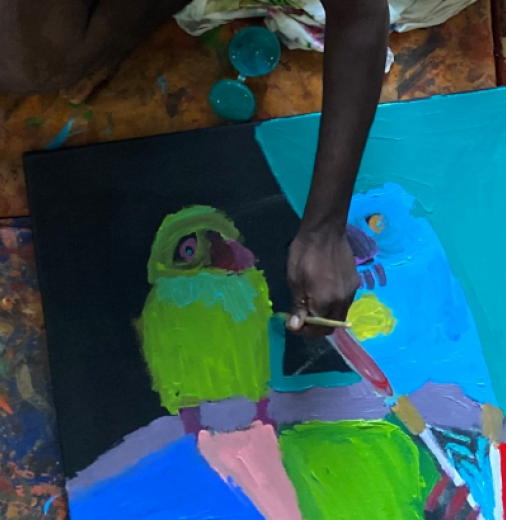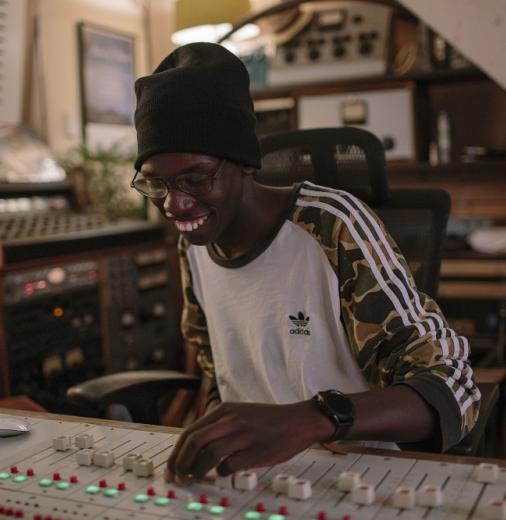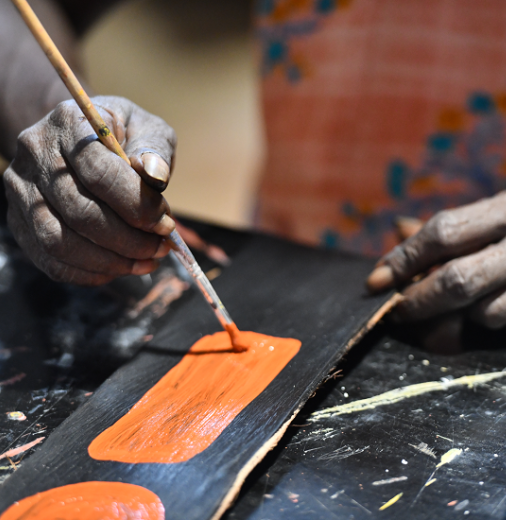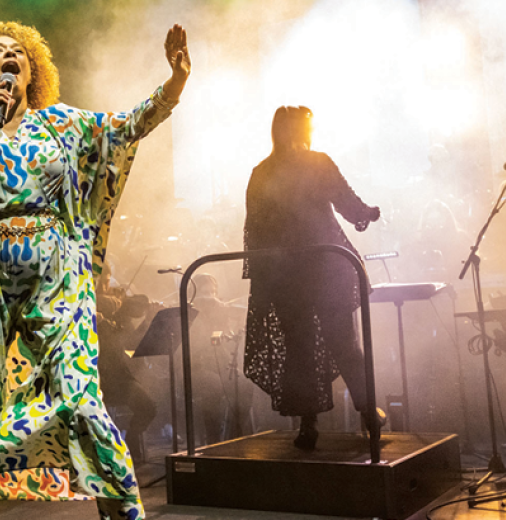

The Australian Government has committed to working with First Nations peoples to introduce stand-alone legislation to protect First Nations traditional knowledge (TK) and traditional cultural expressions (TCEs), including to address the harm caused by fake art, merchandise, and souvenirs. This commitment is outlined in the National Cultural Policy—Revive: a place for every story, a story for every place. The Australian Government has provided $13.4 million over 4 years to support the development of the new legislation, including for grants and education.
The department engaged Aboriginal and Torres Strait Islander experts to form an Expert Working Group to help inform stand-alone legislation to protect First Nations traditional knowledge and traditional cultural rights.
We are currently exploring legislative options for the stand-alone legislation.
What is TK, TCEs or ICIP?
In the United Nations Declaration on the Rights of Indigenous Peoples (UNDRIP), Article 31, TK and TCEs refer to the rights Aboriginal and Torres Strait Islander people have to their heritage and culture. In Australia, we use the term Indigenous Cultural and Intellectual Property (ICIP). All terms are interchangeable.
TK is knowledge, know-how, skills and practices that are developed, sustained and passed on from generation to generation within a community, often forming part of its cultural or spiritual identity.
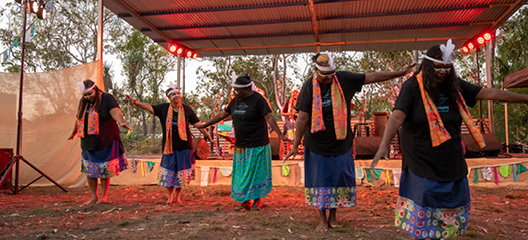
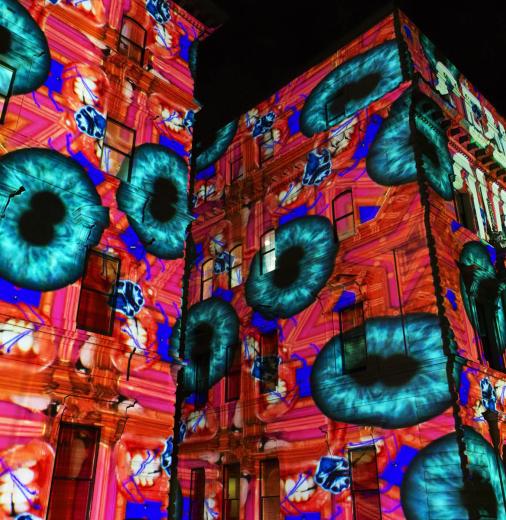
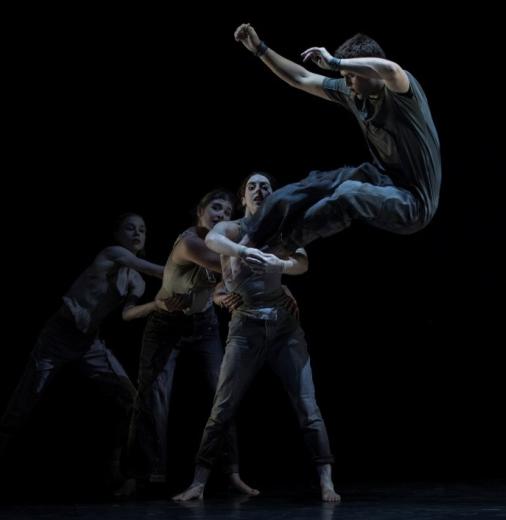
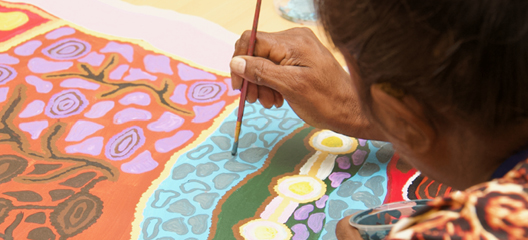
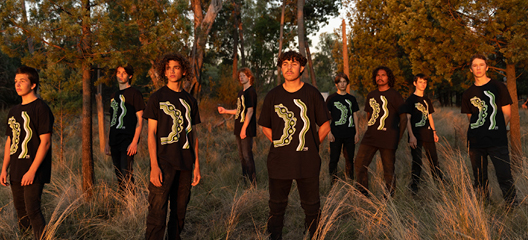
TCEs also called 'expressions of folklore', may include music, dance, art, designs, names, signs and symbols, performances, ceremonies, architectural forms, handicrafts and narratives, or many other artistic or cultural expressions.
ICIP is the Australian term which refers to the rights that Indigenous Peoples have to their knowledge, cultural heritage, artistic and creative endeavours with communally held knowledge, passed down from generation to generation.
Watch Patricia Adjei, Wuthathi and Mabuiag Islander and Director of the Stand-alone Legislation team, talk about what we're doing to protect Indigenous Cultural and Intellectual Property rights First Nations traditional knowledge and traditional cultural expressions. Trish shares some of the feedback received during first round engagement sessions from communities across Australia.
Contact us
If you have any questions about the process or how you can be involved, please get in touch with our Indigenous Cultural and Intellectual Property team:
Office hours 8:30am to 5pm (AEST)
Phone: 1800 006 992 (opt 4)
Email: icip@arts.gov.au
Stay up to date with news and announcements or join the conversation online
- Subscribe for updates.
- Follow us on social media and join the conversation using the hashtag #ICIP: