

- Home
- Who we are
-
What we do
- Cultural heritage
- Regional arts
- A new National Cultural Policy
-
Arts and Disability
- Arts Accessibility
- Arts and Screen Employment Pathways Pilot Program
- Equity: the Arts and Disability Associated Plan
- Implementation Advisory Group for Equity—Expression of Interest process
- Implementation Advisory Group for Equity—First Nations Expression of Interest process
- Publications and resources
- Helpful links
- Support at work
- Creative Australia
-
Indigenous arts and languages
- Australian Delegation to the Festival of Pacific Arts 2016
- ILA Program logos
- Indigenous Languages and Arts program
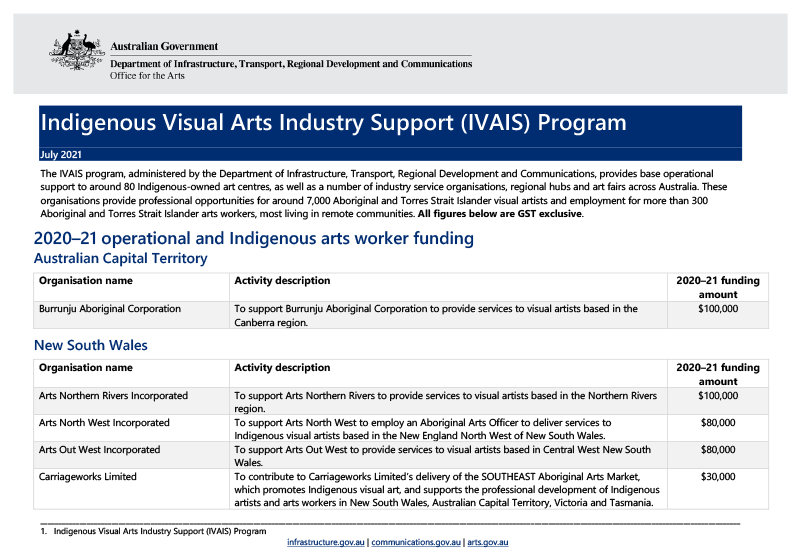
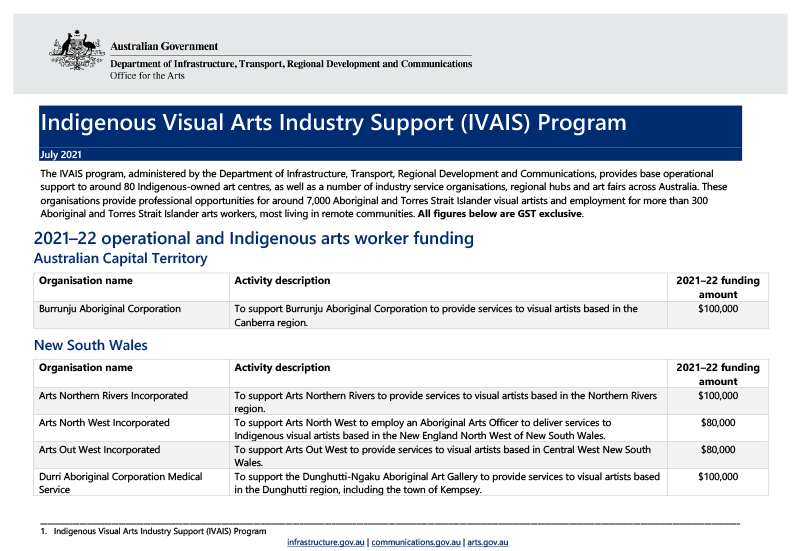
- Indigenous Visual Arts Industry Support program
- International Decade of Indigenous Languages
- Protecting First Nations traditional knowledge and traditional cultural expressions
- Review of the Indigenous Art Code
- Literature
- Ministerial Intergovernmental Engagement
-
Museums, libraries and galleries
- Alt text for National Cultural Institution Key Performance Indicator Infographics 2021–22—results and trends
- Australian Government International Exhibitions Insurance Program
- Impact of our National Cultural Institutions
- National Cultural Institution KPI Infographics 2020–21—results and trends (including text version)
- Significance 2.0
- The National Collecting Institutions Touring and Outreach program
- National Cultural Policy
- Performing arts
- Screen
- Visual arts
- Have your say
- Funding
- Publications
- News
The 19th century First Nations breastplate is of cultural and historical significance for the Gundungurra people in southeastern New South Wales.
Aboriginal and Torres Strait Islander readers are warned the following story contains the names of deceased persons.
A ceremony was held on 16 August at the Wollondilly Heritage Centre and Museum in New South Wales to acknowledge the return of the breastplate. The Museum was chosen by the community as a place of safe keeping for the breastplate.
The ‘Murrooin-Carradgie’ breastplate was made between 1820 and 1840 and is inscribed with the name of Murrooin, a Gundungurra man who was known as a Cooradgie or ‘clever man’. Murrooin was the brother of Gundungurra man Myangarli, connected to the Burra Burra clan.
Murrooin was associated with Vanderville pastoral station located at present-day The Oaks, NSW, which relied on both Aboriginal and convict labour.
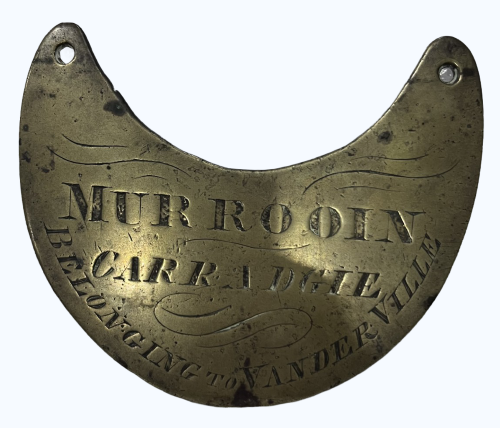
The breastplate provides insight into Gundungurra experiences during early European settlement, including displacement, violence, and adaptation. The Wollondilly Heritage Centre and Museum will house the breastplate within the permanent Gundungurra Indigenous Exhibition where it will be accessible, acknowledged and connected with its people. This will provide an opportunity for the public to gain insight into Gundungurra narratives, local history and perspectives on the massacres and Aboriginal resistance on the colonial frontier.
Objects such as the ‘Murrooin-Carradgie’ breastplate are of cultural and historical significance for First Nations Australians. Their preservation and access support the increased understanding and sharing of important personal stories for the people and communities connected to these objects and who have been impacted by the historical events surrounding them. Pieces such as these are also of significant importance in documenting and learning about colonisation in Australia and its impact on First Nations people.
Acquisition of the breastplate was made with assistance from the Australian Government’s National Cultural Heritage Account (NCHA). The NCHA helps to retain and protect Australia’s cultural heritage for future generations and provides public access to important objects that tell a story about historical and cultural identity. Through the NCHA, organisations can apply for funding to acquire, protect and provide access to significant objects of Australian heritage to ensure they are kept in Australia.
Find out more:
- Read the Minister’s media release
Funding programs
Latest news
Ancestral breastplate returned to Country
The 19th century First Nations breastplate is of cultural and historical significance for the Gundungurra people in southeastern New South Wales.
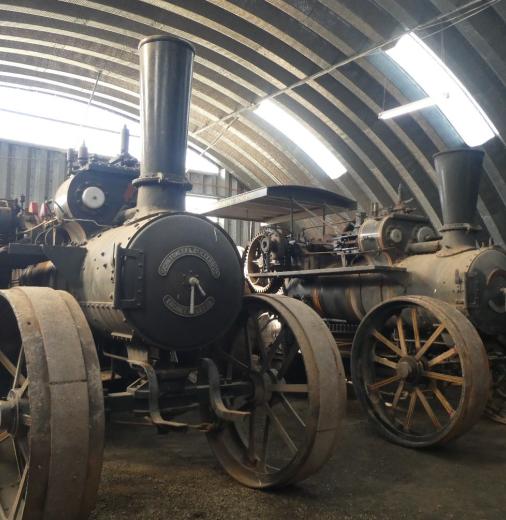
100-year-old steam engines return to Tasmania
A pair of Fowler Ploughing Steam Traction Engines, Type Z7 named ‘The Lion’ and ‘The Lioness’ have been acquired by Pearn’s Steam World Museum in Westbury, Tasmania.
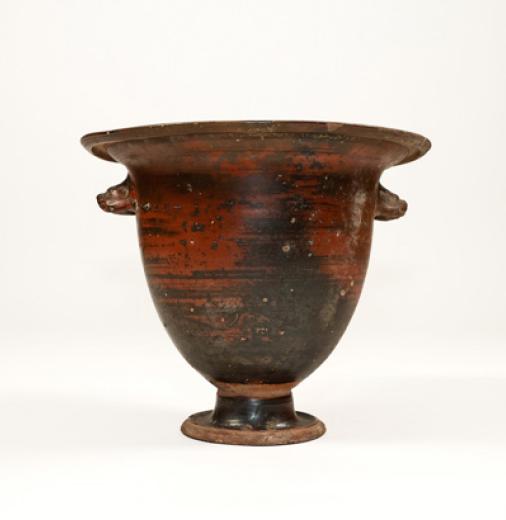
Ancient ceramic vase returned to Italy
The Australian Government has returned a culturally significant object to the Government of the Italian Republic.
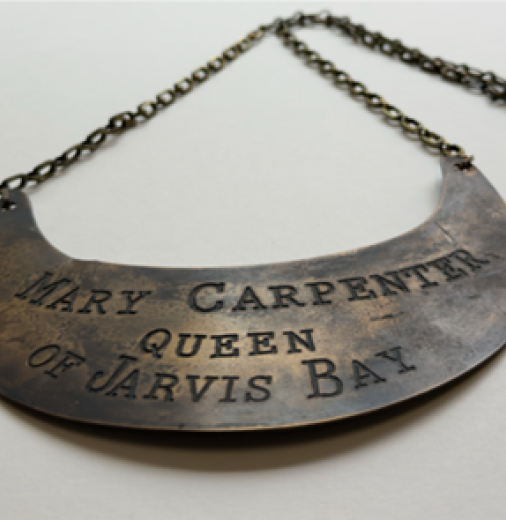
Piece of history returned to Country
A 19th century Aboriginal ancestral breastplate has been returned to Country, entrusted by the community to be held at the Jervis Bay Maritime Museum.
Have your say
A new National Cultural Policy
Between 23 March 2026 and 24 May 2026, Australians were invited to share their views and help guide the next National Cultural Policy. Public submissions are being uploaded to this page as they're being reviewed by us. Read the public submissions.
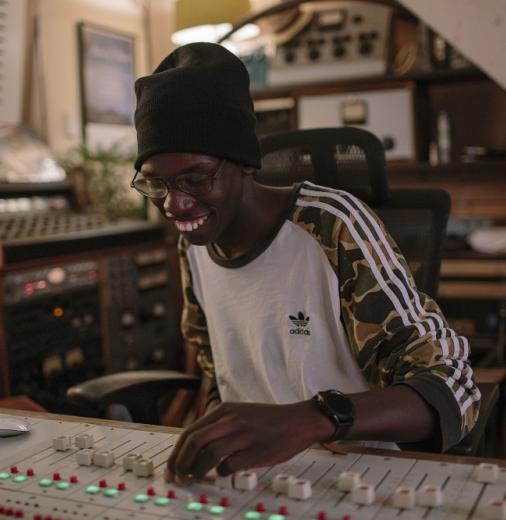
Arts and Screen Employment Pathways Pilot Program
We invited feedback on the development of the new Arts and Screen Employment Pathways Pilot Program to support d/Deaf and disabled artists and arts workers. This consultation is closed.
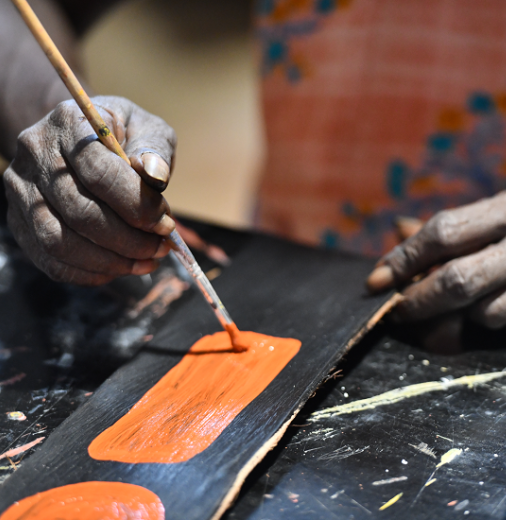
Review of the Indigenous Art Code
A review of the Indigenous Art Code to strengthen the protections for Indigenous artists and consumers across the country. This consultation is closed.
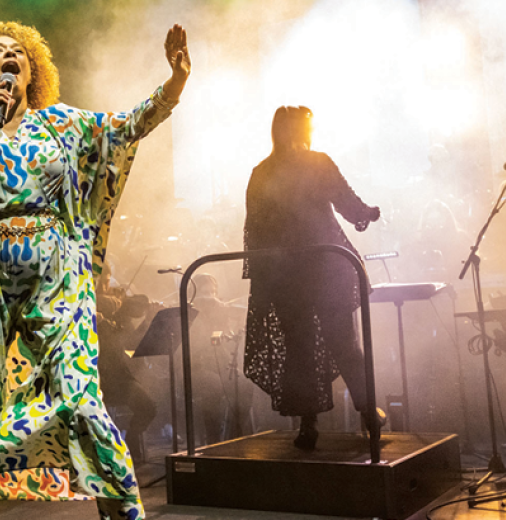
Revive: a place for every story, a story for every place
After extensive national consultation, in 2023 we delivered a 5 year national cultural policy, Revive—A place for everyone story, a story for every place.
Latest consultations
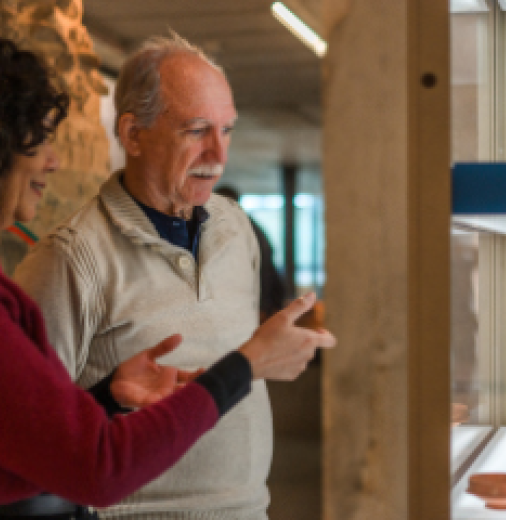
Review of the Protection of Movable Cultural Heritage Act
Shane Simpson AM finished a review of the Protection of Movable Cultural Heritage Act 1986 in 2015.
Funding programs
What's new
A new page for Lending Rights
New legislation for the Lending Rights schemes commenced on 1 October 2026.
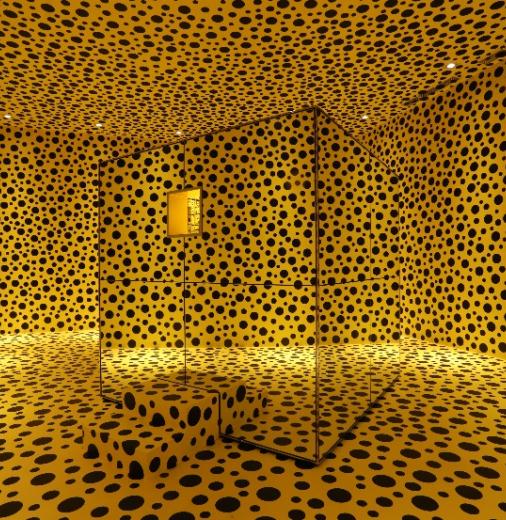
Sharing the National Collection hits 2 million visitor milestone
The Sharing the National Collection program enables galleries around the country to borrow works from the national collection for long-term display.
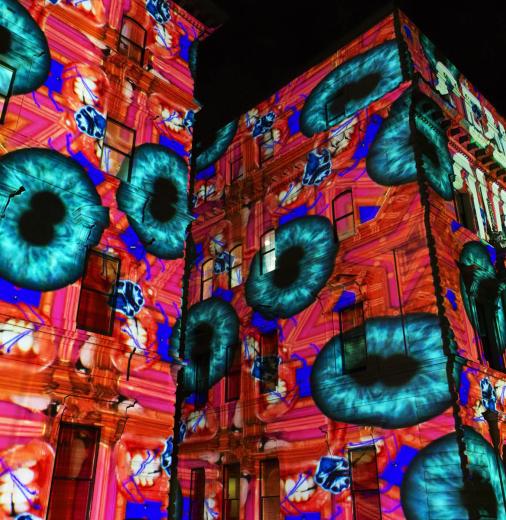
Australia's cultural and creative activity continues to grow
New figures show cultural and creative activity contributed $70.3 billion to Australia's economy in 2024–25.
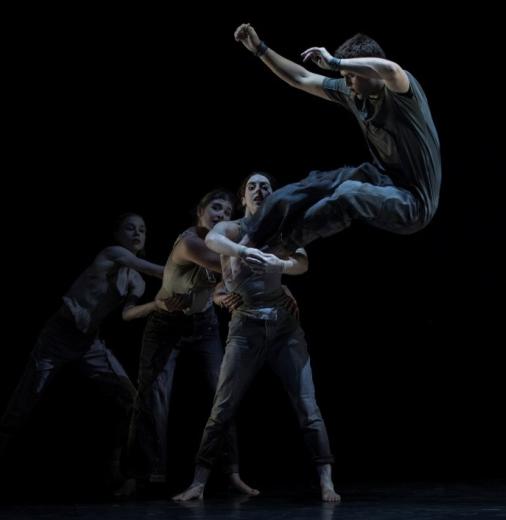
Australian talent on the international stage
Funding will help 4 Australian projects to engage internationally and reach overseas audiences.
Support programs
Displaying 171 - 180 of 273
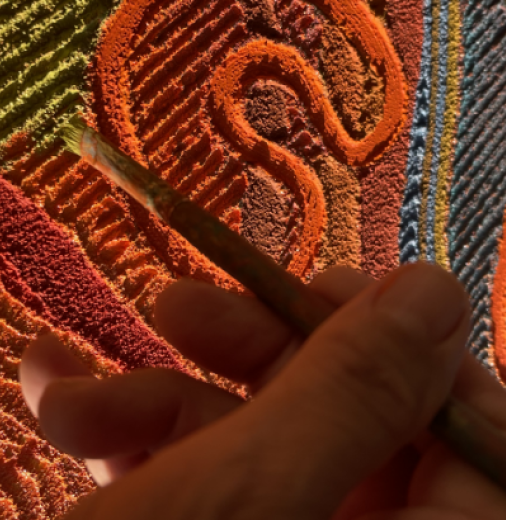
Supporting First Nations visual arts
More than 40 art centres and artists will share in over $5 million funding through the Indigenous Visual Arts Industry Support (IVAIS) program.
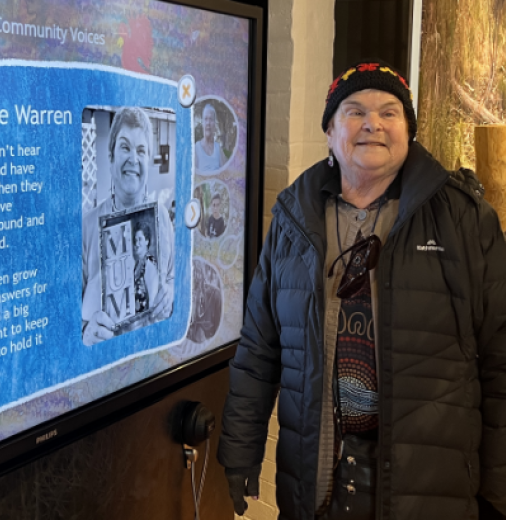
Vibrant and interactive exhibition explores and shares Jaara community knowledge
The permanent exhibition ‘Boorp Boorp Boondyil – Passing Knowledge to our Children’ in Castlemaine shares important cultural knowledge.
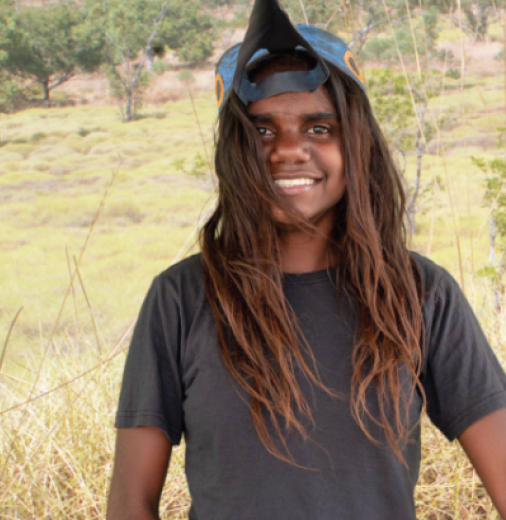
Educational resource brings First Nations cultural content into the classroom
An online portal is providing educators with access to easy to use, carefully designed and co-created resources.

Australian authors and publishers to receive more than $23 million
More than 17,000 individual payments will be made under the Government’s Lending Right Schemes.
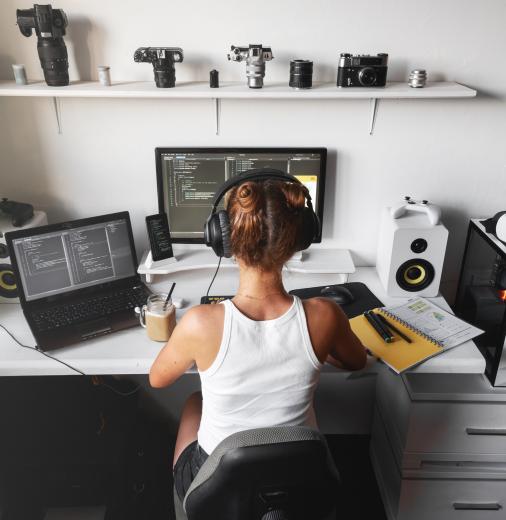
Level up: tax break set to reshape digital games industry
Updated legislation to power up the sector.
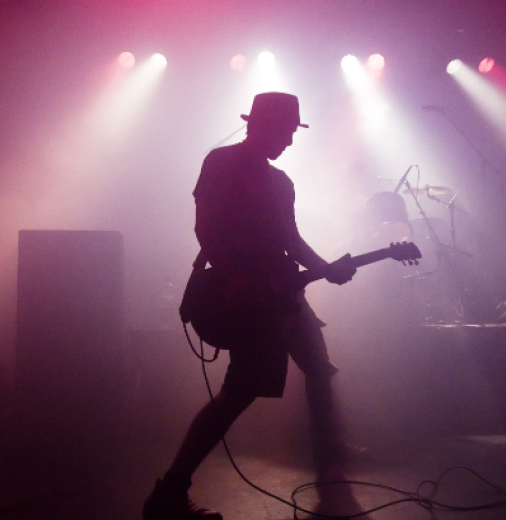
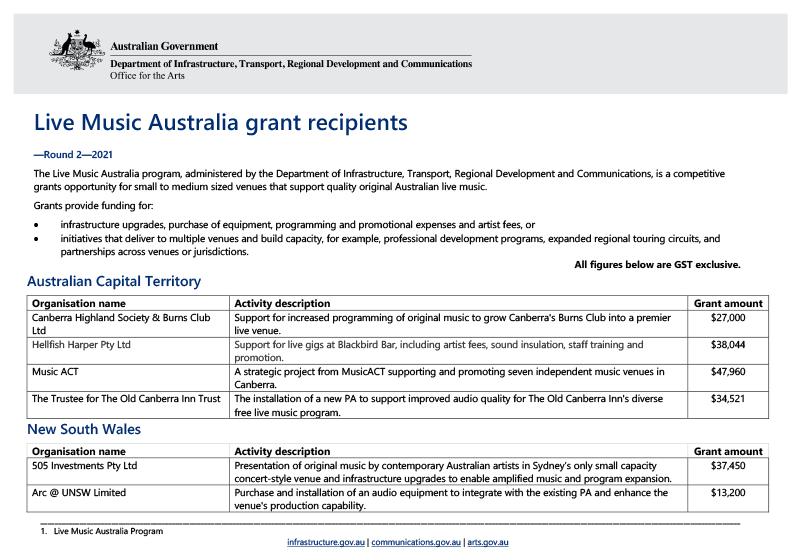
Turning up the volume on live Australian music
Sixty-two deserving recipients will share in $2.5 million under round six of the Live Music Australia program.

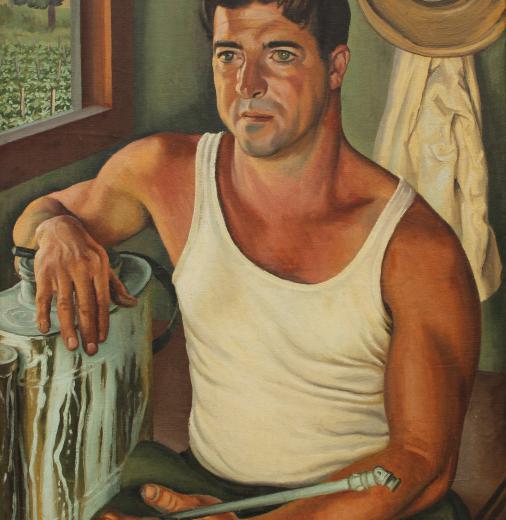
Our funding secures WWII portrait
A painting which captures an important aspect of the Second World War is now part of the Australian War Memorial’s collection with the help of our funding.
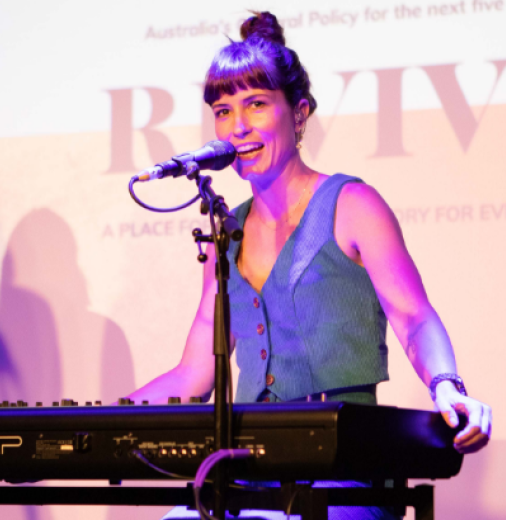
Creative Australia Bill 2023 passes Parliament
The new legislation marks an important step in a the implementation of Revive.
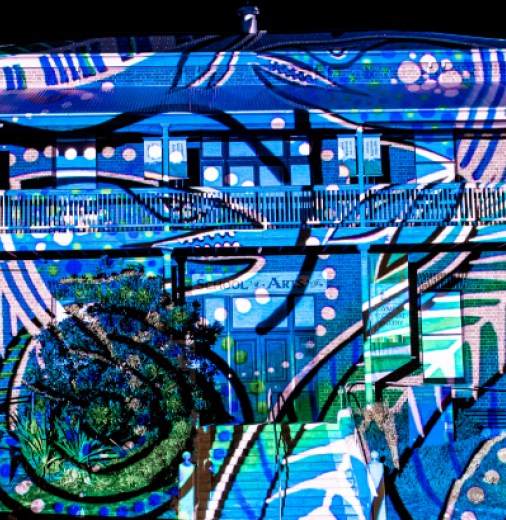
Funding for regional arts projects
37 projects will share in more than $830,000 in the first round of Regional Arts Fund Project Grants for 2023.
Support programs
Funding programs
No results found.
Displaying 205 - 216 of 362
Support programs
Sign up
Sign up for news and updates from our agency.
Displaying 81 - 90 of 873
National Arts and Disability Strategy Evaluation Report 2013–2015
Published: 22 Sep 2017 Ministers evaluate the implementation of the Strategy every three years, in consultation with the arts and disability sector. The second evaluation covers the period from 2013–15. The resulting Evaluation Report was released in …
PublicationCreative Economy Taskforce—Statement—10 September 2021
Published: 14 Sep 2021 The statement endorses the importance of vaccinations and national consistency and clarity on business and health settings for Australia’s reopening. creative-economy-taskforce-statement-10september2021.docx (DOCX, 25.49 KB) …
PublicationNational Opera Review Final Report Executive Summary
Published: 25 Oct 2016 The National Opera Review Executive Summary. These documents have not been produced by us and may not meet WCAG 2.0 Level AA requirements. Please contact us at publishing@communications.gov.au to obtain alternative copies. …
PublicationIndigenous Contemporary Music Program opens
Applications are now open for grants through the Indigenous Contemporary Music program 17 Mar 2023 Image credit: Deline Briscoe performs at the Cairns Indigenous Art Fair, 2018. Photo by Blueclick Photography. The Indigenous Contemporary Music program …
NewsLocal works set to give Australia a boost overseas
The Australia Council has announced the 11 recipients of the Visual Arts & Crafts Strategy (VACS) Major Commissioning Projects. 17 Mar 2023 Eleven artists from across the country will each receive an equal share in the $1.1 million VACS Major …
NewsNational Opera Review - Final Report Appendix
Published: 25 Oct 2016 Sections of the Discussion Paper. These documents have not been produced by us and may not meet WCAG 2.0 Level AA requirements. Please contact us at publishing@communications.gov.au to obtain alternative copies. …
PublicationWriters to be fairly compensated
Australian authors, illustrators and publishers to be recompensed for their e-books and audiobooks being held in Australian libraries. 21 Mar 2023 A woman reads an e-book on a couch As announced under the Australia Government’s new National Cultural …
NewsRekindling program reconnects First Nations youth
A flagship dance and language program is reconnecting First Nations youth with their culture. 22 Mar 2023 ‘In learning about your culture you learn more about yourself’ – a participant sums up how the Bangarra Dance Theatre’s Rekindling program it is …
NewsART/works
ART/works provides subscribers with the latest news on funding opportunities, industry research and sector updates. Sent to your inbox as major news breaks, ART/works keeps you up-to-date with what's happening in Australia's cultural and creative sector, …
PageResearch confirms importance of live music workers
Our research highlights the diverse occupations of live music workers and their contribution to Australia’s social and cultural fabric. 27 Mar 2023 The contribution of live music to our creative economy has been confirmed following the release of the …
NewsFunding and support program archive
No results found.