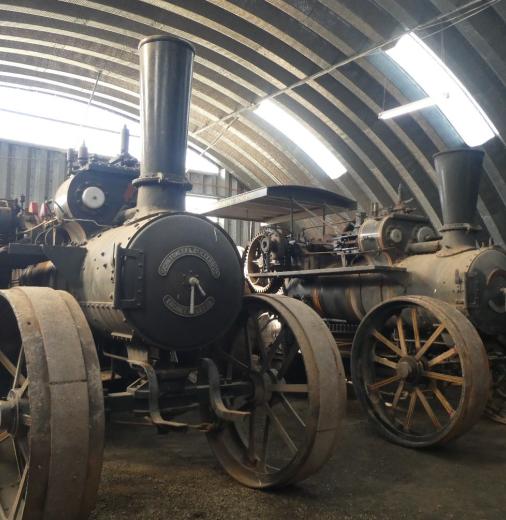

You may need a permit to export industrial heritage objects from Australia. This includes objects such as tools, weapons, implements, machines and prototypes. The full criteria are set out in Schedule 1 of the Protection of Movable Cultural Heritage Regulations 2018, which incorporates the National Cultural Heritage Control List. The relevant criteria for objects of this kind are set out in Part 4—Objects of applied science or technology.
What do you need to do?
If you wish to export an object that may meet the Control List criteria, you will need to complete an export permit application.
The application will then be assessed to determine the level of significance of the object. This may include:
- historic significance and how an object may contribute to understanding of a period, place, activity, industry, person or event;
- style or design significance;
- scientific, technical or research significance; and
- social significance or value to a community or group today.
Other factors include the provenance, representation or rarity, condition and completeness of the object, and information about comparable objects in public collections in Australia.
What information do I need to include?
The export permit application will ask for information including a date and description of the object, history of ownership, where it was manufactured or found, photos and information about the proposed export.
For industrial heritage objects, other information may be required, such as:
- distinguishing marks or numbers on the object—This could include permanently fixed serial number, or engine number, indelible manufacturer's name, mark or model, visible damage and/or repair.
- anything relevant to assessing the object's importance to Australia's cultural heritage—This could include any information you may have about the object's provenance and history, and the extent to which similar objects are already represented in Australian public collections.
Resources are available to help you find this information.