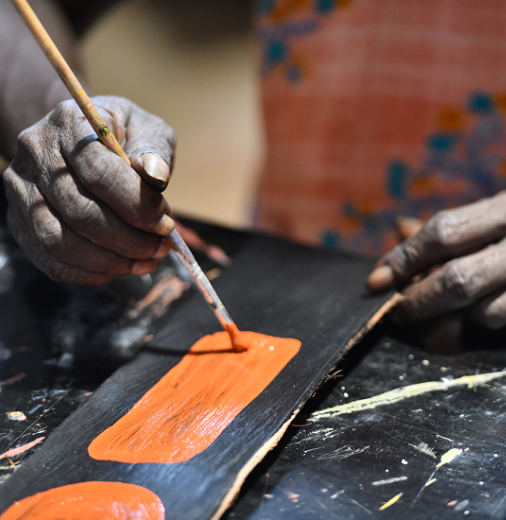
When you buy authentic First Nations arts and crafts, you help artists receive recognition and fair payment for their work. You also support the continuation of the world's oldest continuous living cultures and show respect for artists and their communities.
Inauthentic products, sometimes described as 'fake art', imitate First Nations art without permission or genuine connection to an Aboriginal or Torres Strait Islander artist or community.
Check before you buy
There are simple things you can do to check if Aboriginal and Torres Strait Islander art and craft products are authentic. You can:
- buy directly from the artist
- buy from an Indigenous-owned art centre
- buy from an Indigenous Art Code dealer member
- ask who created the work and how they are paid
- ask for a certificate of authenticity when buying an original artwork.
Find Indigenous Art Code members.
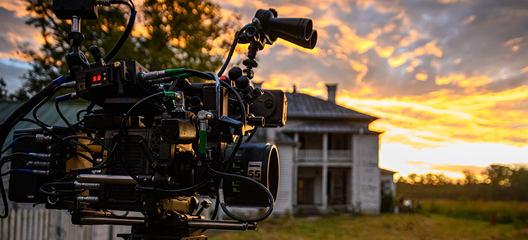
Watch: Artists' tips for buying First Nations art
Questions to ask before you buy
Here are some questions you can ask the seller:
- Who is the artist?
- Where is the artist or community based?
- How does the artist benefit from the sale?
- Does the artwork have a story?
- Is this an original work or a reproduction?
- If it's a reproduction, has the artist given permission and how do they benefit?
Buy respectfully
- Show genuine interest and be respectful when asking questions.
- Don't haggle over the price. The price reflects the artist's skill, knowledge, time and experience.
- For mass produced products such as fashion, homewares and merchandise, check the label or packaging for information about the artist, community and licensing arrangement.
- Ask the seller how they source their products and work with artists.
- When buying an original work, ask what documentation is provided. Any piece of Aboriginal and Torres Strait Islander art over AUD$250 should come with a certificate of authenticity. Certificates of authenticity verify in writing that the artwork for sale is the original work of the artist named. A photo of the artist holding the art is not a certificate of authenticity.
Warning signs of inauthentic products
Be cautious if:
- The artist is not named: Authentic products should clearly acknowledge the artist or artists responsible for the work.
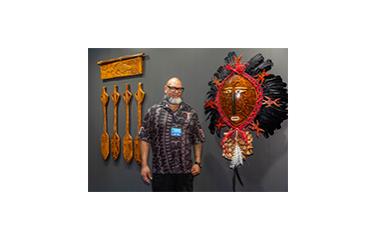
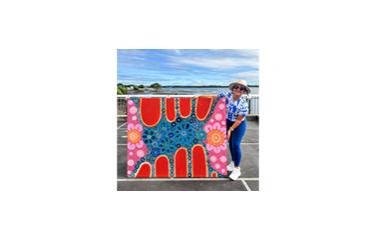
- The seller relies on photographs instead of a certificate of authenticity: A photograph of an artist holding or creating an artwork is not a certificate of authenticity
- The seller offers a large discount: Ask whether the discount will affect the amount paid to the artist or art centre.
- The seller will not answer your question: Consider buying elsewhere if the seller cannot explain where the work came from, who created it or how the artist benefits.
Frequently asked questions about buying First Nations arts and crafts
Stay in the loop
- Subscribe for updates on Indigenous Cultural and Intellectual Property.
Videos—Indigenous Cultural and Intellectual Property
Learn from Aboriginal and Torres Strait Islander artists and industry representatives.