- Home
- Who we are
-
What we do
- Cultural heritage
- Regional arts
- A new National Cultural Policy
-
Arts and Disability
- Arts Accessibility
- Arts and Screen Employment Pathways Pilot Program
- Equity: the Arts and Disability Associated Plan
- Implementation Advisory Group for Equity—Expression of Interest process
- Implementation Advisory Group for Equity—First Nations Expression of Interest process
- Publications and resources
- Helpful links
- Support at work
- Creative Australia
-
Indigenous arts and languages
- Australian Delegation to the Festival of Pacific Arts 2016
- ILA Program logos
- Indigenous Languages and Arts program
- Indigenous Visual Arts Industry Support program
- International Decade of Indigenous Languages
- Protecting First Nations traditional knowledge and traditional cultural expressions
- Review of the Indigenous Art Code
- Literature
- Ministerial Intergovernmental Engagement
-
Museums, libraries and galleries
- Alt text for National Cultural Institution Key Performance Indicator Infographics 2021–22—results and trends
- Australian Government International Exhibitions Insurance Program
- Impact of our National Cultural Institutions
- National Cultural Institution KPI Infographics 2020–21—results and trends (including text version)
- Significance 2.0
- Significance
- The National Collecting Institutions Touring and Outreach program
- National Cultural Policy
- Performing arts
- Screen
- Visual arts
- Have your say
- Funding
- Publications
- News
The third edition of Significance provides new and updated practical guidance for assessing and explaining the significance of cultural items and collections.
A new edition of Significance: a guide to assessing cultural collectionsis now available.
The third edition replaces Significance 2.0 (published 2009) andbuilds on the established Significance framework while reflecting contemporary collections and practices.
Significance was developed by the Office for the Arts in collaboration with sector experts and collecting organisations across Australia. The new edition provides updated practical guidance for assessing and explaining the significance of cultural items and collections. Importantly, it includes 40 new and expanded examples of significance assessments and other case studies supplied by diverse collecting institutions across the country.
Significance helps collecting organisations, professionals, community groups and private custodians understand why collections matter and make informed decisions about their care, interpretation and access.
The third edition includes:
- new guidance on managing First Nations cultural heritage material and community consultation, supported by new examples of First Nations items and collections throughout the guide
- updated assessment criteria and improvements to language and design
- stronger recognition of collections relating to the diversity of the Australian community, including culturally and linguistically diverse communities
- enhanced guidance on consultation, provenance and contemporary collection management.
The Significance framework has been used across the cultural heritage sector. It has influenced policies and processes in collecting organisations, formed the basis of grant programs and decisions on the management of our national cultural heritage,and served as a teaching tool in university courses.
The release of the third edition is an action under the Strong Cultural Infrastructure pillar of Revive—Australia's 5-year national cultural policy launched in 2023.
Find out more
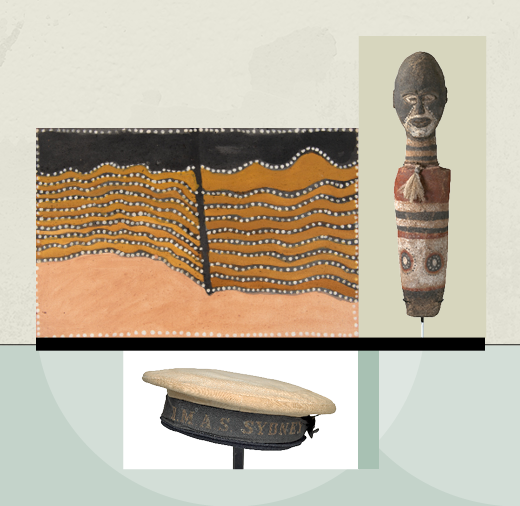
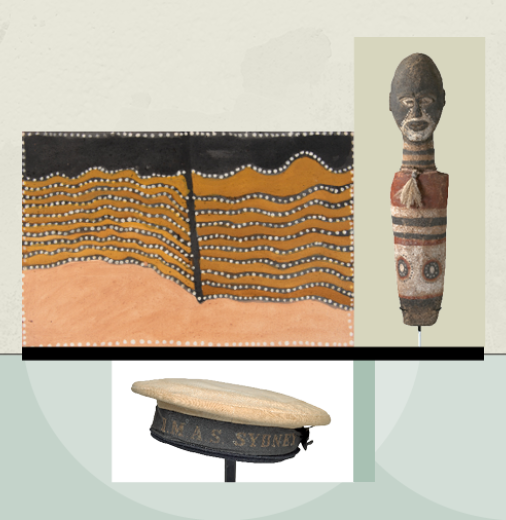
Image credit: Ribbon Rock Country, Jack Britten, 2002, natural (Kimberley) ochres and binder on canvas, 45 x 70 cm. Red Rock Collection, Western Australian Museum.
Djan'djari figure, created by Fred Embrey (c.1880–1939), Kabi Kabi people, Queensland, Australia, 1930s, carved softwood with natural pigments, emu feathers bound with bush string and resin, 65.5 x 14 x 14 cm. Collection: Queensland Art Gallery | Gallery of Modern Art. Purchased 2020 with funds from the Mather Foundation through the Queensland Art Gallery | Gallery of Modern Art Foundation.
Sailor cap, navy blue and white sailor's hat, no brim, with the words 'HMAS Sydney.' Tasmanian Museum and Art Gallery (S2011.19).
Funding programs
Latest news
New edition of Significance released
The third edition of Significance provides new and updated practical guidance for assessing and explaining the significance of cultural items and collections.
Sharing the National Collection hits 2 million visitor milestone
The Sharing the National Collection program enables galleries around the country to borrow works from the national collection for long-term display.
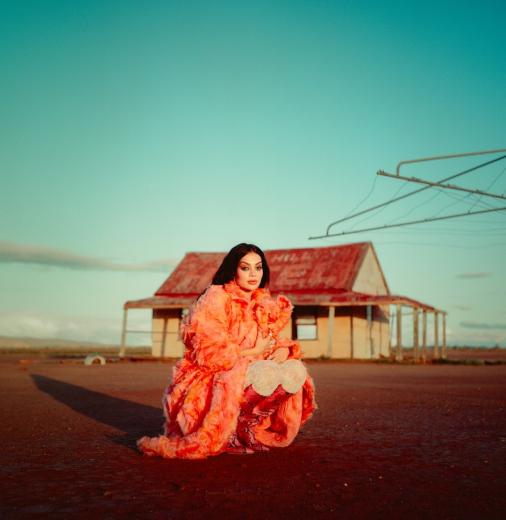
Exhibitions from our National Collecting Institutions set to tour across Australia
The latest round of the National Collecting Institutions Touring and Outreach (NCITO) program is providing $1 million to bring exhibitions of cultural material to Australian communities.
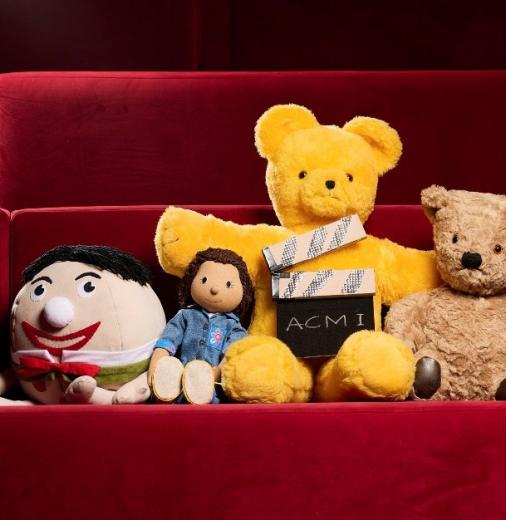
Visions of Australia brings new exhibitions to the regions
Ten new exhibitions will hit the road thanks to $1.4 million provided through the latest Visions of Australia program funding round.
Have your say
A new National Cultural Policy
Between 23 March 2026 and 24 May 2026, Australians were invited to share their views and help guide the next National Cultural Policy. Public submissions are being uploaded to this page as they're being reviewed by us. Read the public submissions.
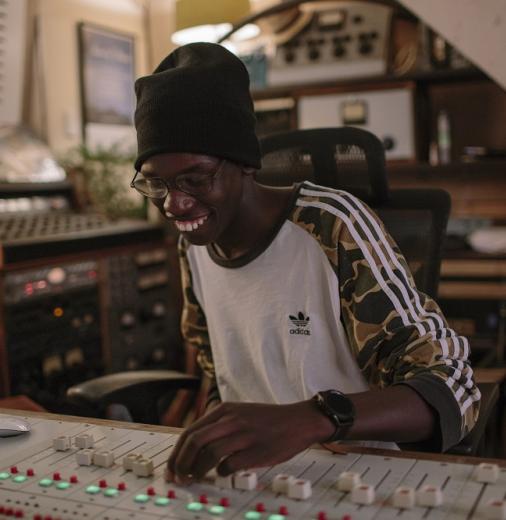
Arts and Screen Employment Pathways Pilot Program
We invited feedback on the development of the new Arts and Screen Employment Pathways Pilot Program to support d/Deaf and disabled artists and arts workers. This consultation is closed.
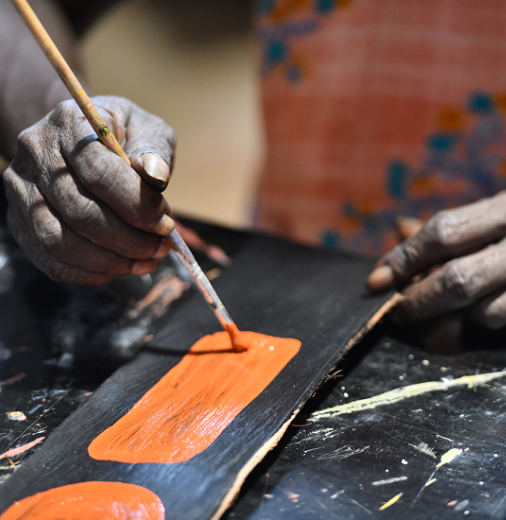
Review of the Indigenous Art Code
A review of the Indigenous Art Code to strengthen the protections for Indigenous artists and consumers across the country. This consultation is closed.
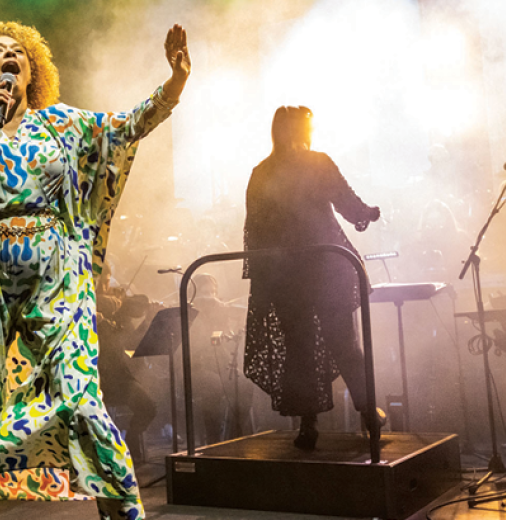
Revive: a place for every story, a story for every place
After extensive national consultation, in 2023 we delivered a 5 year national cultural policy, Revive—A place for everyone story, a story for every place.
Latest consultations
Funding programs
What's new
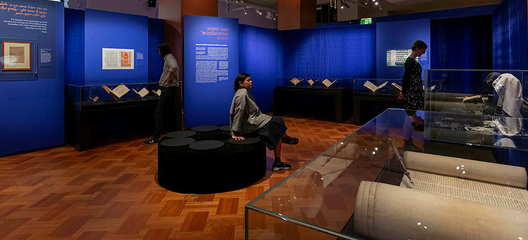
New edition of Significance released
The third edition of Significance provides new and updated practical guidance for assessing and explaining the significance of cultural items and collections.
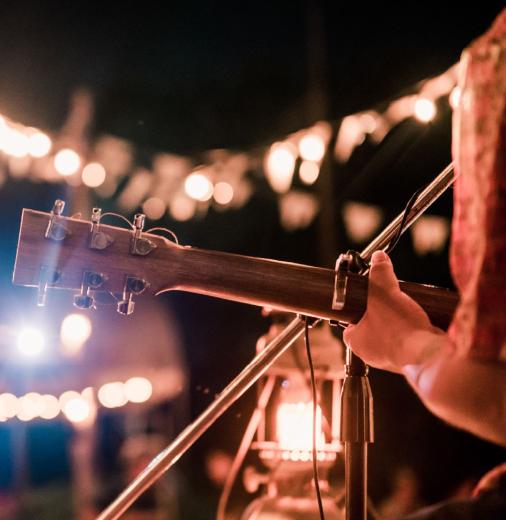
Getting the band together, but who pays their super?
Updated advice from the Australian Taxation Office (ATO) on who pays super to workers in the music industry.

A new page for Lending Rights
New legislation for the Lending Rights schemes commenced on 1 October 2026.
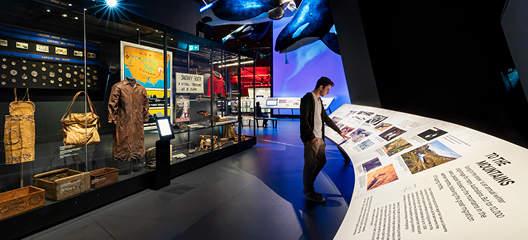
Sharing the National Collection hits 2 million visitor milestone
The Sharing the National Collection program enables galleries around the country to borrow works from the national collection for long-term display.
Support programs
Displaying 1 - 10 of 275
New edition of Significance released
The third edition of Significance provides new and updated practical guidance for assessing and explaining the significance of cultural items and collections.
Getting the band together, but who pays their super?
Updated advice from the Australian Taxation Office (ATO) on who pays super to workers in the music industry.
A new page for Lending Rights
New legislation for the Lending Rights schemes commenced on 1 October 2026.
Sharing the National Collection hits 2 million visitor milestone
The Sharing the National Collection program enables galleries around the country to borrow works from the national collection for long-term display.
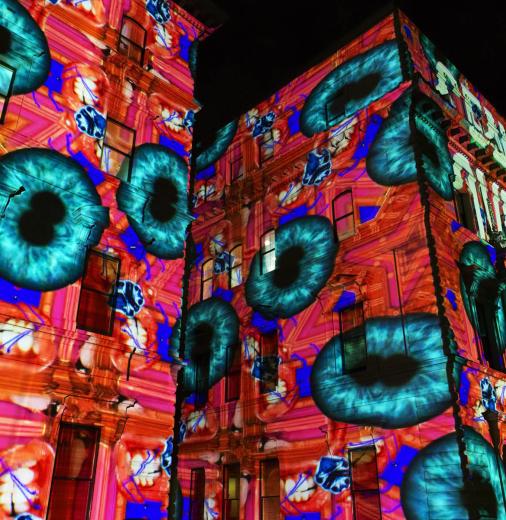
Australia's cultural and creative activity continues to grow
New figures show cultural and creative activity contributed $70.3 billion to Australia's economy in 2024–25.
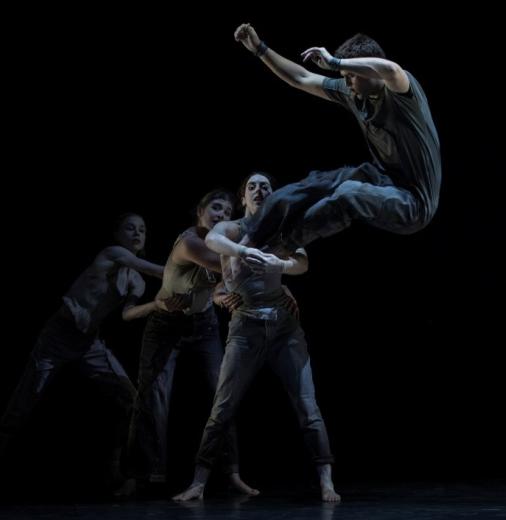
Australian talent on the international stage
Funding will help 4 Australian projects to engage internationally and reach overseas audiences.
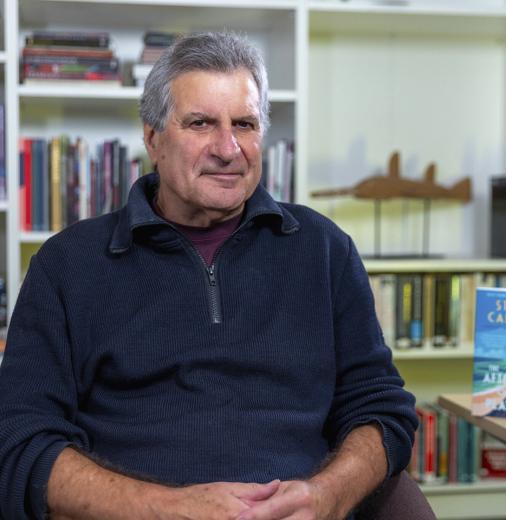
Finding inspiration in the everyday with Steven Carroll
Australian author Steven Carroll talks about his sources of inspiration and lending rights.
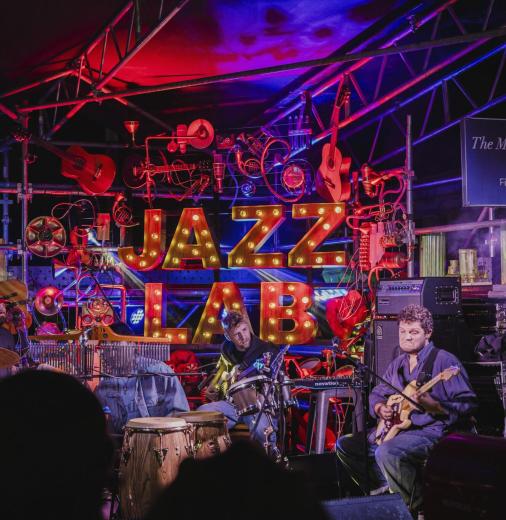
Applications now open for funding of regional and remote arts projects through the Festivals Australia program
Round 23 of the Festivals Australia program is open for applications for arts projects at festivals and community events in regional and remote Australia.
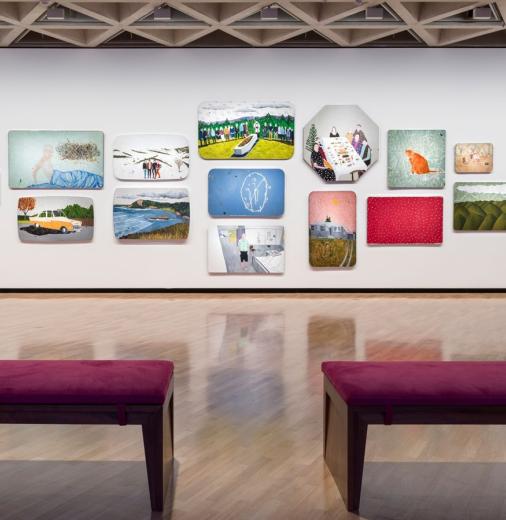
Applications open for Round 23 of the Visions of Australia program
The program brings imaginative exhibitions to regional and remote Australia.
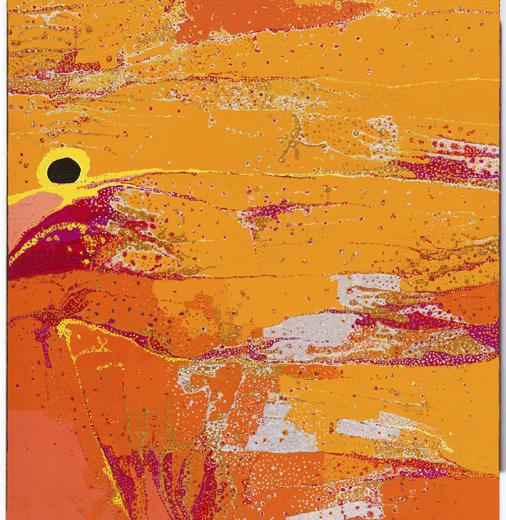
Sharing nationally significant works with the regions
Local art lovers across regional Australia enjoy new works.
Support programs
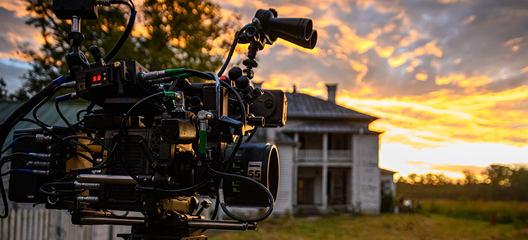
Displaying 1 - 6 of 6
A new National Cultural Policy
Between 23 March 2026 and 24 May 2026, Australians were invited to share their views and help guide the next National Cultural Policy. Public submissions are being uploaded to this page as they're being reviewed by us. Read the public submissions.
Arts and Screen Employment Pathways Pilot Program
We invited feedback on the development of the new Arts and Screen Employment Pathways Pilot Program to support d/Deaf and disabled artists and arts workers. This consultation is closed.
Review of the Indigenous Art Code
A review of the Indigenous Art Code to strengthen the protections for Indigenous artists and consumers across the country. This consultation is closed.
Revive: a place for every story, a story for every place
After extensive national consultation, in 2023 we delivered a 5 year national cultural policy, Revive—A place for everyone story, a story for every place.

National Opera Review
The Australian Government has released a full response to the recommendations of the National Opera Review final report, which examined the artistic vibrancy, financial viability and accessibility of Australia’s major opera companies.
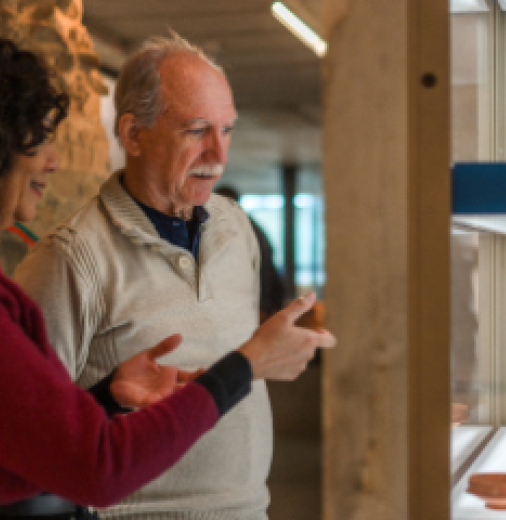
Review of the Protection of Movable Cultural Heritage Act
Shane Simpson AM finished a review of the Protection of Movable Cultural Heritage Act 1986 in 2015.
Funding programs
Displaying 1 - 13 of 13



Displaying 1 - 12 of 358
Support programs
Sign up
Sign up for news and updates from our agency.
Displaying 1 - 10 of 871
Bronze Age stone weight returned to Pakistan
An ancient stone weight of cultural significance was returned today to Pakistan. 8 Dec 2021 The stone weight was returned to HE Zahid Hafeez Chaudhri, High Commissioner of Pakistan at a ceremony which took place at the High Commission on 8 December 2021. …
NewsAxe heading home to the Philippines
A wood and steel axe of cultural significance has been returned to the Philippines. 19 Nov 2021 19 November 2021 The axe, which dates back to the early to mid 20th century, comes from the Igorot communities of northern Luzon, who still use this type of …
NewsPriceless Incan carving to head home
A priceless Incan carved wooden vessel, known as a canopa, will soon be on its way back to its rightful home in Peru. 4 Nov 2021 A carved Incan canopa that depicts two llamas. It has a rounded hollow on its back, where offerings were dedicated to the care …
NewsVictoria - Jurisdiction Profile
Published: 6 Feb 2018 The Victorian profile provides a comprehensive overview of arts and culture on a range of topics including participation in cultural activities, cultural funding by government, employment in culture, and attendances at cultural …
PublicationPost-Implementation Review — Resale Royalty Right for Visual Artists Act 2009 and the Resale Royalty Scheme
Published: 23 Dec 2019 The 2013 Report for the Post-implementation Review of the Resale Royalty Right for Visual Artists Act 2009 (the Act) and accompanying Scheme examines the first three years and four months of the Scheme's operation. The Report uses …
PublicationIndigenous Languages and Arts Program funded Indigenous Language Centres
Published: 1 Oct 2024 Indigenous Languages and Arts Program funded Indigenous Language Centres—September 2024—PDF (PDF, 411.7 KB) Indigenous Languages and Arts Program funded Indigenous Language Centres—September 2024—DOCX (DOCX, 952.58 …
PublicationFestivals Australia September 2020 round 11—grant recipients
Published: 23 Dec 2020 List of national summary of projects for Round 11, September 2020. festivals-australia-grant-recipients-national-summary-of-projects-round-11september2020.docx (DOCX, 165.47 KB) …
PublicationIndigenous Languages and Arts (ILA) Program Frequently Asked Questions
Published: 15 Dec 2025 Tips for a competitive application and Frequently asked questions on the Indigenous Languages and Arts Program. Indigenous Languages and Arts (ILA) Program 2026–27—Open Competitive Grant Opportunity—FAQs—December 2025—PDF (PDF, …
PublicationRISE Fund grant recipients—Batch one summary of projects
Published: 22 Dec 2020 Recipients of the RISE Fund grant. rise-fund-grant-recipients-batch-one-summary-of-projects_0.docx (DOCX, 195.43 KB) rise-fund-grant-recipients-batch-one-summary-of-projects_0.pdf (PDF, 550.42 …
PublicationProject grants—recipients list, round 2, 2022
Published: 23 Nov 2022 project-grants-recipients-list-round-2-2022.docx (DOCX, 247.88 KB) project-grants-recipients-list-round-2-2022.pdf (PDF, 228.92 …
Publication